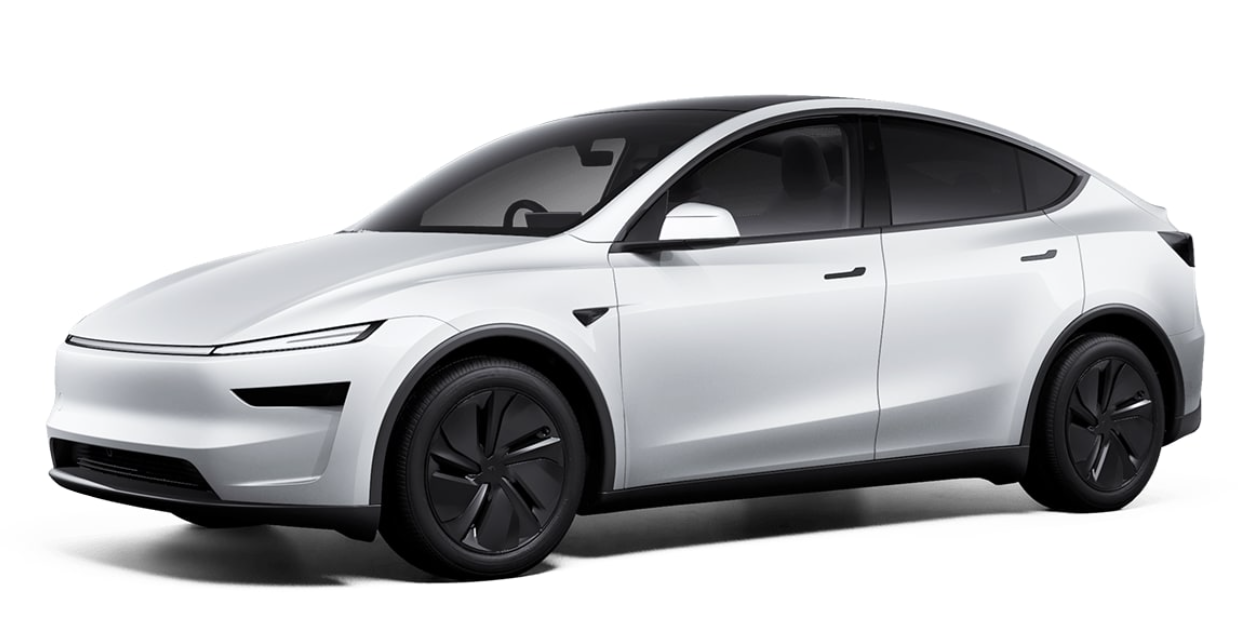
Electric vs Petrol vs Hybrid: What’s cheaper long term?
When choosing a new vehicle, buyers generally decide between three drivetrains: traditional petrol cars powered by a combustion engine, standard self-charging hybrids, and fully electric vehicles (EVs). Another option is plug-in hybrids (PHEVs) which offer a middle ground and feature a larger battery that requires external charging.
While EVs can offer lower daily running costs, securing the best long-term value requires balancing these savings against upfront purchase prices, depreciation, maintenance, insurance, and tax legislation across all drivetrain options.
Using a standard baseline of 15,000 kilometres driven per year, daily operating expenses vary significantly across popular medium-SUVs:
Tesla Model Y RWD
The EV (Tesla Model Y RWD)
Consuming 14.6 kWh per 100 km, it requires 2,190 kWh annually. Based on a conservative residential electricity rate of 33 cents per kWh, home charging costs approximately $723 per year. Drivers relying primarily on public fast chargers may experience charging costs closer to petrol running expenses.
Mitsubishi Outlander ES 2WD
The Petrol (Mitsubishi Outlander ES 2WD)
Consuming 7.5 litres per 100 km, it requires 1,125 litres annually. At $2.00 per litre, annual fuel costs are approximately $2,250.
Toyota RAV4 Hybrid 2WD
The Hybrid (Toyota RAV4 Hybrid 2WD)
Consuming 4.7 litres per 100 km, it requires 705 litres annually. At a market average of $2.00 per litre, fuel costs are approximately $1,410 per year.
EV running cost savings are often strongest when charging primarily occurs at home with drivers who use dedicated off-peak electricity tariffs potentially reducing charging costs further. Conversely, petrol vehicle running costs remain highly sensitive to volatile fuel prices. Hybrids provide a more consistent middle ground, particularly in stop-and-go urban driving where regenerative braking maximises the electric motor’s efficiency without the need to plug in.
Traditional petrol vehicles generally require more frequent mechanical servicing, while established repair networks can help support more predictable insurance costs.
Hybrids generally sit between petrol vehicles and EVs in terms of maintenance and insurance costs. Their regenerative braking systems extend the lifespan of consumable parts, and while hybrid premiums increased by 6.6% recently, they generally avoid extreme insurance spikes.
Tax Exemptions
The Fringe Benefits Tax (FBT) exemption remains a critical financial incentive. Currently, battery electric vehicles under the $91,387 threshold are eligible, making novated leases highly attractive. Petrol cars and standard hybrids do not receive this benefit.
Eligibility requirements should be reviewed carefully, as FBT exemptions do not apply to all vehicle types. As of 1 April 2025, PHEVs permanently lost their FBT exemption. With the loss of this advantage, the financial appeal of a PHEV may reduce for some drivers, particularly when the vehicle is used primarily in petrol mode rather than electric mode.
What’s the best option for you?
Securing the most cost-effective vehicle depends entirely on driving habits:
Petrol cars offer the lowest barrier to entry but leave owners exposed to global fuel price volatility.
Standard hybrids are a competitive, lower-risk alternative providing excellent resale value without requiring home charging.
EVs can be a cost-effective option for drivers who can access a novated lease under current FBT rules, benefit from affordable home charging, and are comfortable with depreciation trends.
Ready to find the best fit for your lifestyle and budget?
The team at Prosperity Smart Drive is here to help you make the most of novated leasing. Reach out to us today to see how much you could save.