
For years, electric vehicles felt like something Australians were slowly warming up to. Sales were climbing, more models were hitting the market, and government incentives were making the switch increasingly attractive. Progress was steady, if unspectacular.
That has changed almost overnight.
The combination of a global oil crisis triggered by the ongoing conflict in Iran and the review of a landmark tax incentive has compressed what might have been a decade of EV adoption into a matter of months. If you’ve been thinking about making the switch, the time to act is now.
When the Albanese government introduced a fringe benefits tax (FBT) exemption on electric vehicles purchased through a novated lease in July 2022, few anticipated its reach. Under the scheme, eligible EVs valued less than $91,387 are exempt from FBT, with payments draw from pre-tax salary.
The uptake has far exceeded expectations. Close to 100,000 vehicles have benefited from the exemption, against Treasury’s original estimate of just 4,700.
The cost of the exemption has followed suit. Treasurer Jim Chalmers confirmed the exemption will cost $1.35 billion in foregone revenue this financial year alone — 15 times the original forecast. The government has launched a formal review of the policy, and while no changes have been announced, whether the exemption will survive in its current form, is narrowed, or wound back entirely remains open to question.
If the FBT review introduced a note of caution, the Iran crisis has introduced a sense of urgency.
With petrol prices surging and oil supply under threat, Australians are rushing to reduce their dependence on the fuel bowser and EV manufacturers are scrambling to keep up. The Commonwealth Bank recorded a 161% increase in customers taking out loans for electric vehicles in March compared to February, while EV purchase inquiries on CBA’s buying assistance platform increased by 136% in March.
NSW Premier Chris Minns has flagged new electrification measures in the state’s upcoming budget, framing the shift as a matter of economic resilience as much as an environmental policy. “I do think we need to look at our economy and our reliance on Middle Eastern oil,” he said. “This has been a perennial issue in our economy and around the world.”
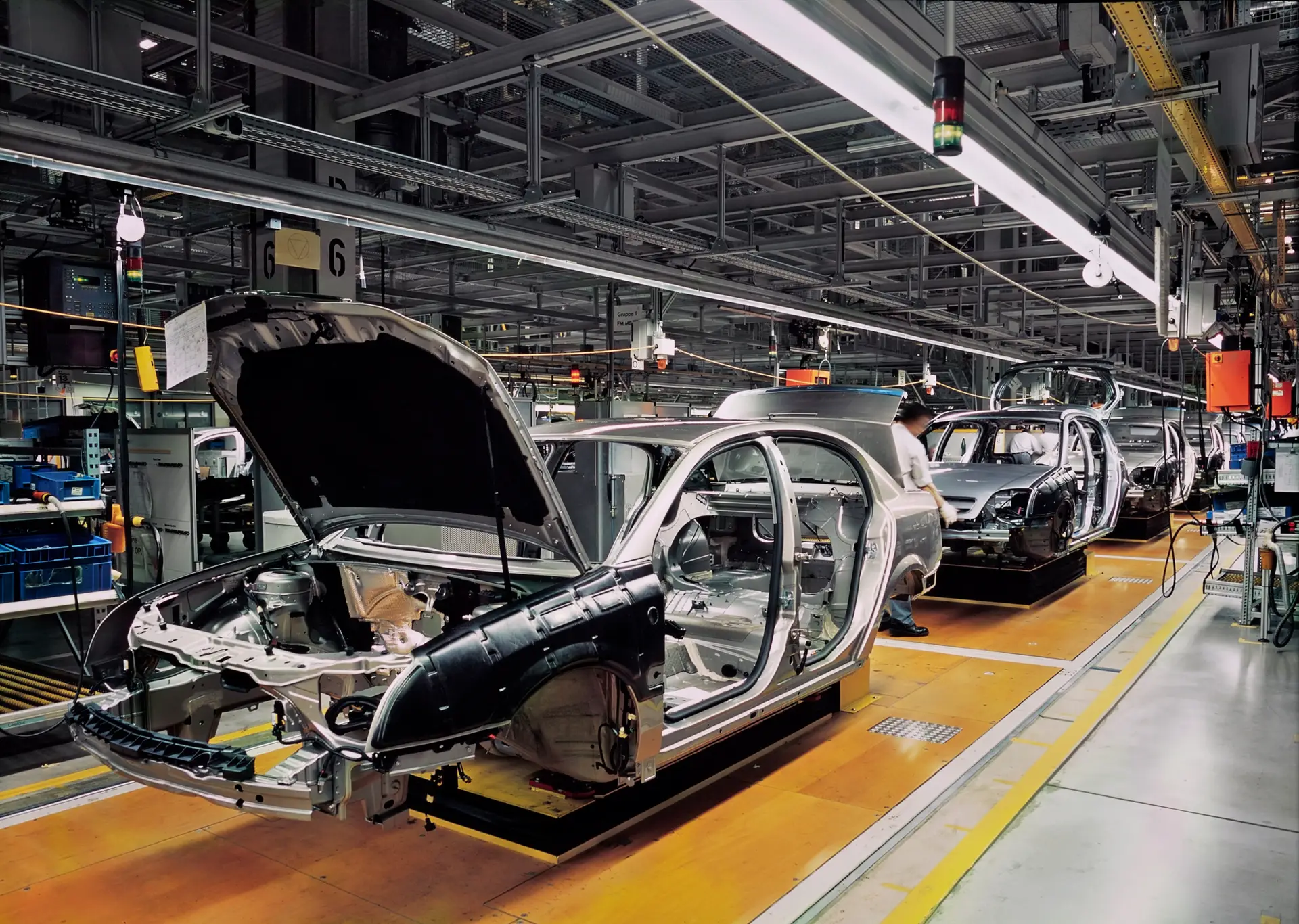
Demand of this scale is creating new pressures on supply. BYD’s best-selling Sealion 7 and Atto 2 models now have customers waiting two to three months (up from two to three weeks before the crisis). Toyota’s national average wait time is three to six months across its range and that Polestar has limited stock, with test drives tripling in a fortnight.
The Australian Automotive Dealer Association says that conditions have not yet reached the disruption seen during the COVID-19 pandemic but wait times of one to two months (and longer for popular models) are becoming the norm.
If you have been putting off the decision to purchase an EV, the time to switch is now. The combination of an FBT exemption that may not survive its review, rising petrol costs, and growing wait times means the conditions that make EV ownership most compelling are unlikely to last forever.
The good news? You don’t have to navigate this alone. Prosperity Smart Drive specialises in taking the complexity out of EV novated leasing — from finding the right vehicle to managing all the paperwork, so you can focus on the road ahead.
Whether you’re looking switch to an EV, maximise tax savings or simplify your car expenses, the team at Prosperity Smart Drive can help you navigate current incentives and delivery timelines.