
When the fringe benefits tax (FBT) exemption was introduced in 2022, it was designed to stimulate a niche market by removing tax barriers for employees purchasing electric vehicles.
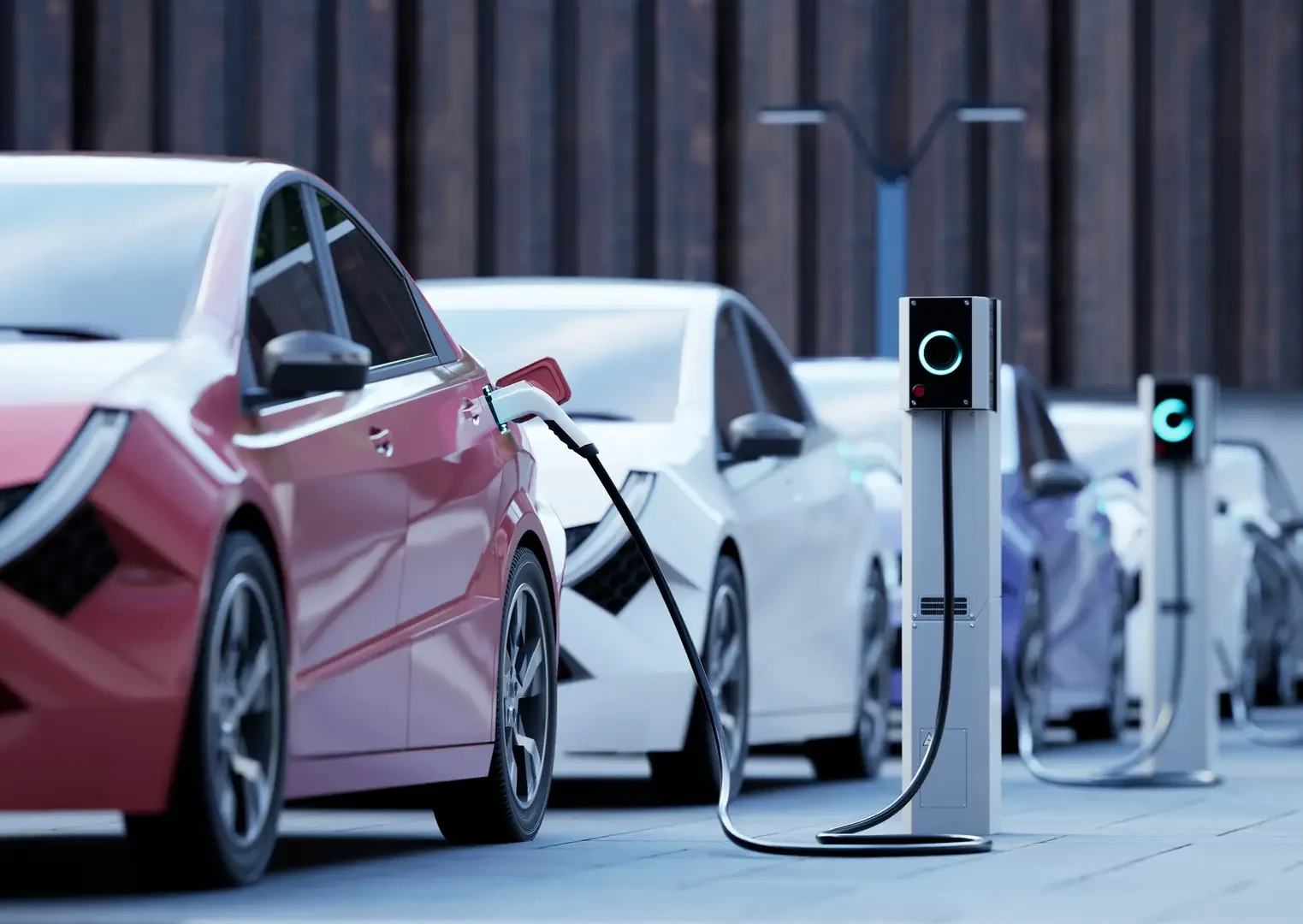
By leveraging novated leasing, employees could pay for their car and its running costs out of their pre-tax salary, effectively making EVs cheaper than their petrol equivalents. Since the policy’s introduction, over 100,000 EV purchases have been linked to the exemption, helping drive Australian EV market share from less than 4% in 2022 to approximately 13% today.
Now the government is considering scaling back, or even removing the FBT exemption altogether.
The cost of the FBT exemption has blown significantly past initial estimates, with lost tax revenue now estimated at $1.35 billion for the 2025-26 financial year. From a 2026 federal budget perspective, that raises three issues:
But consumer motivation has shifted, moving past tax incentives to focus on the comprehensive cost of EV ownership. The 2026 global oil crisis has pushed domestic petrol prices to record highs meaning that, for many Australians, transitioning to an EV is a vital cost-of-living defence.
The shift in buyer motivation is clear:
While no decisions have been made, it is not thought that the government will remove the FBT exemption altogether. It’s expected the government will instead lower the $91,387 LCT price cap to drive uptake of affordable EV models. However, the timing is high-risk. Data from international markets shows that when government subsidies are cut abruptly, the impact on sales can be severe. Following the sudden removal of EV purchase subsidies in Germany and the Clean Car Discount in New Zealand, EV sales and import arrivals plummeted by 27% and 30% respectively in 2024.
Regardless of how the government adjusts this tax incentive, the move toward electric vehicles is the new normal. Demand is driven by the urgent need for protection against volatile fuel prices and a significantly lower total cost of ownership.
Navigating these policy shifts doesn’t have to be a guessing game. Partner with Prosperity Smart Drive Australia to future-proof your vehicle strategy and ensure your team maximises their novated leasing benefits. Ready to see how much you could save? Use our novated leasing calculator, or reach out to our fleet experts directly at 1300 761 388 or smartdrive@prosperity.com.au for a personalised savings forecast.
Whether you’re planning your first EV, transitioning a fleet, or reviewing employee benefits, Prosperity Smart Drive can help you navigate current incentives and delivery timelines.