Australia’s best-selling electric vehicles in 2025
Electric vehicles are no longer a niche option in Australia. In 2025, electric vehicle (EV) adoption continued to grow as more drivers considered lower running costs, government incentives, and improved charging infrastructure. The market is also becoming more competitive, with established brands like Tesla facing increasing pressure from newer entrants, especially Chinese manufacturers.
Here’s a look at the electric cars that dominated Australian sales in 2025 and the brands shaping the country’s EV market.
Tesla Model Y leads EV sales
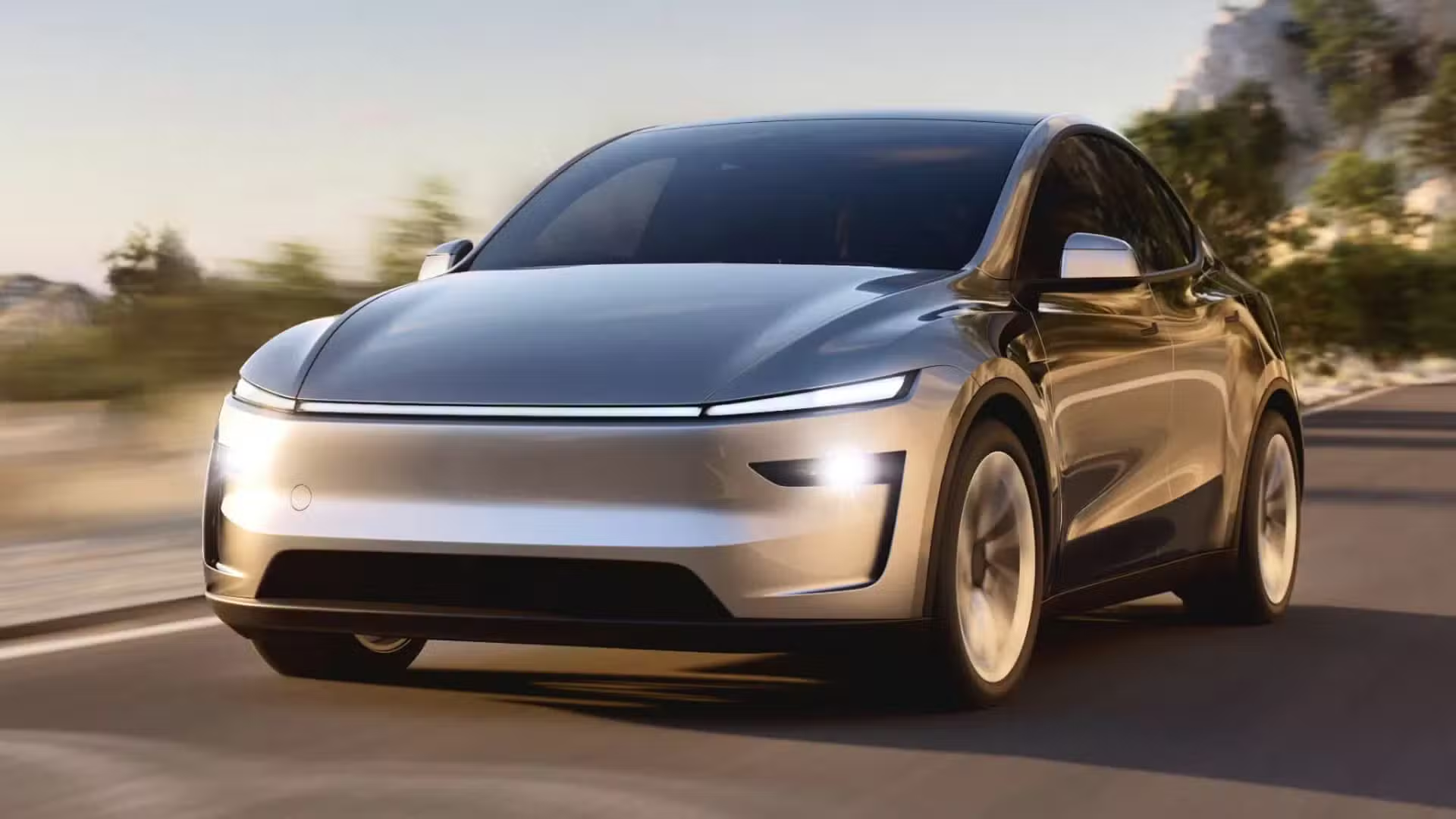
The Tesla Model Y remains Australia’s best-selling electric vehicle in 2025. Its combination of driving range, performance, and access to Tesla’s Supercharger network continues to attract buyers.
In addition, the Model Y’s mid-size SUV format suits Australian drivers who want a practical family vehicle without sacrificing electric performance.
Industry sales data shows the Model Y delivered more than 22,000 units, placing it comfortably ahead of competing EVs in the market.
Tesla Model Y
Tesla Model 3 remains a strong performer
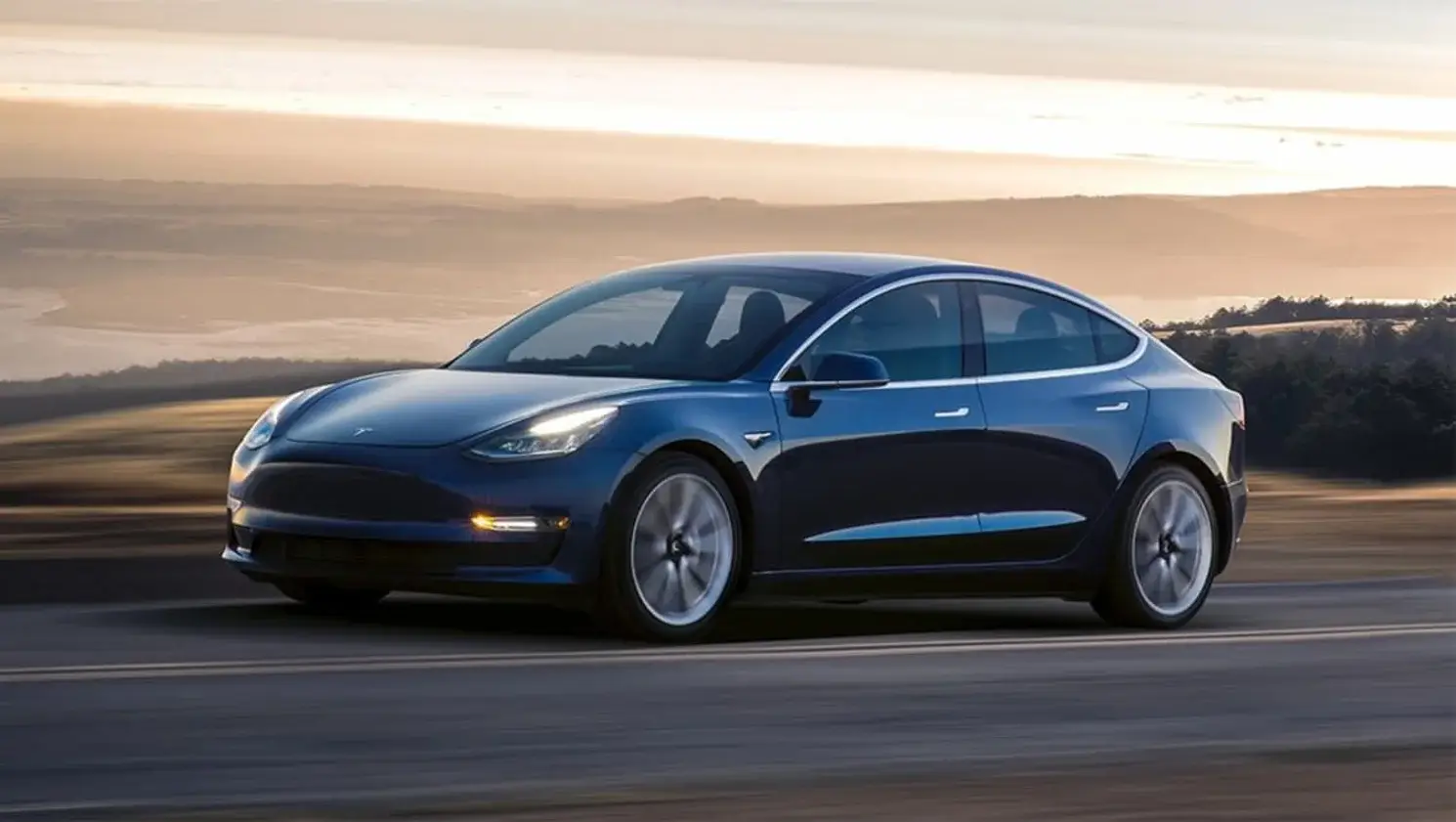
Despite increased competition, the Tesla Model 3 continues to rank among the top-selling electric vehicles in Australia.
The sedan appeals to buyers seeking a smaller, more affordable entry point into Tesla ownership while still offering strong acceleration, advanced technology, and over-the-air software updates.
However, sales growth has slowed compared with previous years as newer electric models enter the market.
Tesla Model 3
BYD’s growing influence in Australia
While Tesla still leads in total EV sales, the gap between brands is shrinking. Chinese automaker BYD has rapidly gained popularity in Australia thanks to competitive pricing and a growing lineup of electric vehicles.
Several BYD models are among the country’s best-selling EVs, including:
BYD Atto 3
BYD Dolphin
BYD Seal
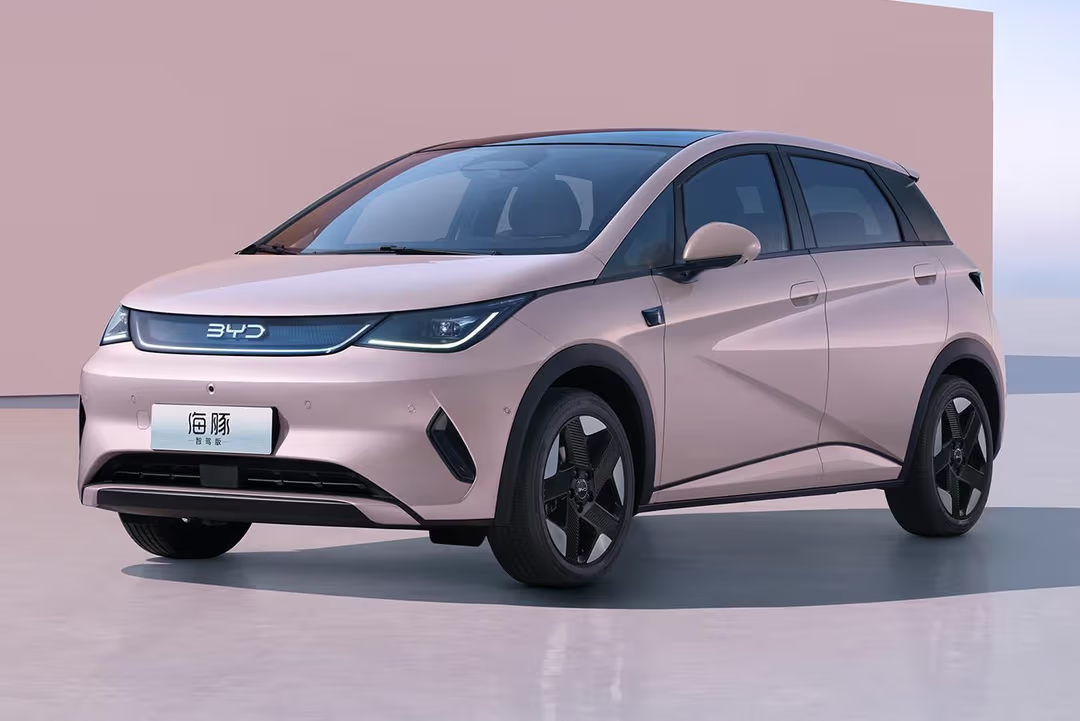
These vehicles appeal to consumers looking for affordable electric mobility without sacrificing modern technology or driving range. The BYD Dolphin, for example, entered the Australian market in 2023 with multiple battery options and competitive pricing.
The strong performance of BYD models highlights how quickly new players are reshaping Australia’s EV market.
BYD Dolphin
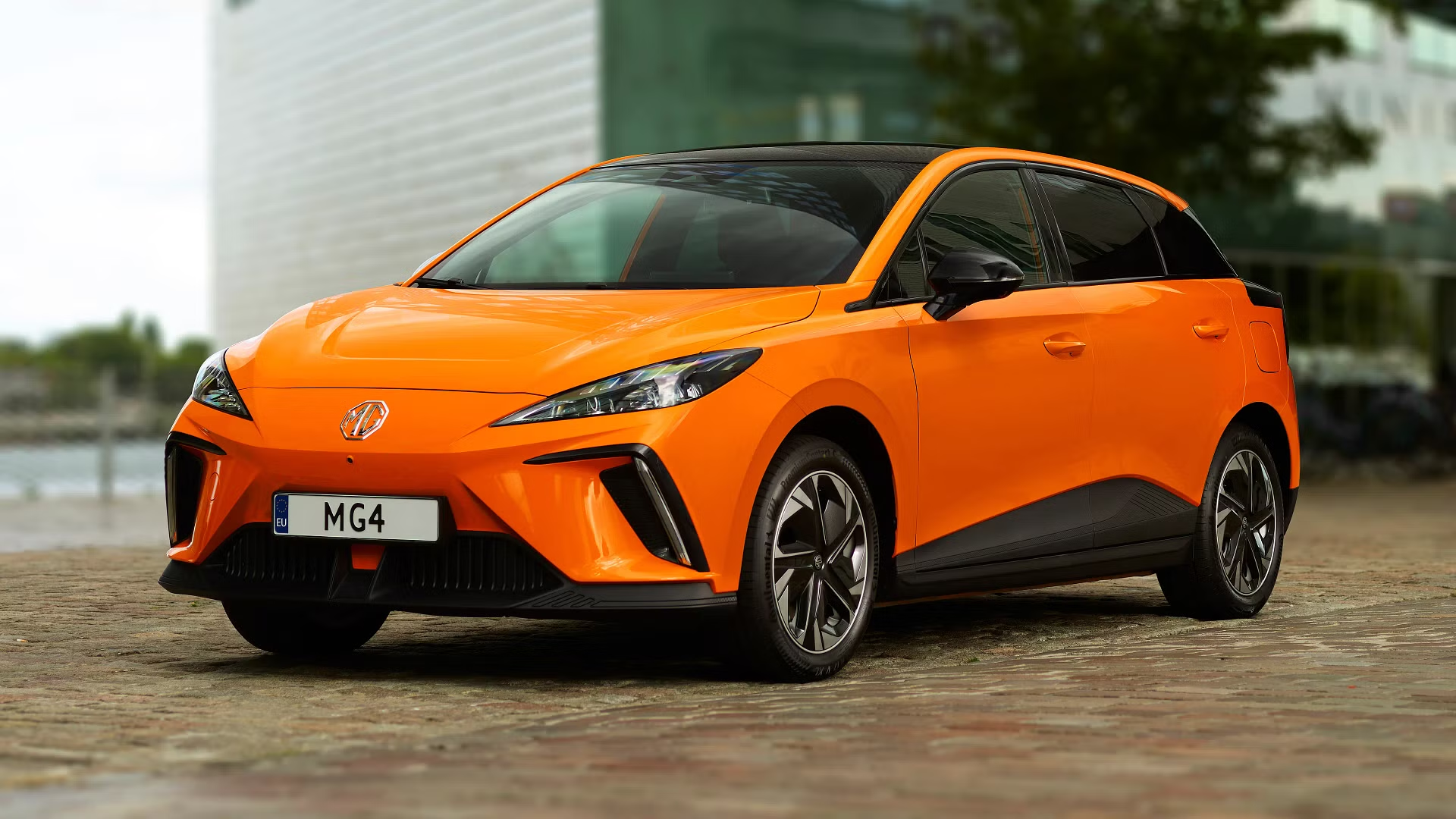
MG4 gains popularity among budget EV buyers
Another strong performer is the MG4, a hatchback that has become one of the most accessible electric cars available in Australia.
Its success is driven by several factors:
Competitive pricing compared with other EVs
Practical hatchback design
Good driving range for daily use
The MG4 is especially attractive for buyers who want to transition to electric vehicles without paying premium prices.
MG4
SUVs dominate EV demand
Sales data shows that SUVs dominate the Australian EV market. Medium-sized electric SUVs account for a large share of EV purchases because they provide:
More interior space
Higher driving position
Greater practicality for families
Vehicles such as the Tesla Model Y and BYD Atto 3 benefit from this trend, making them top sellers in the segment.
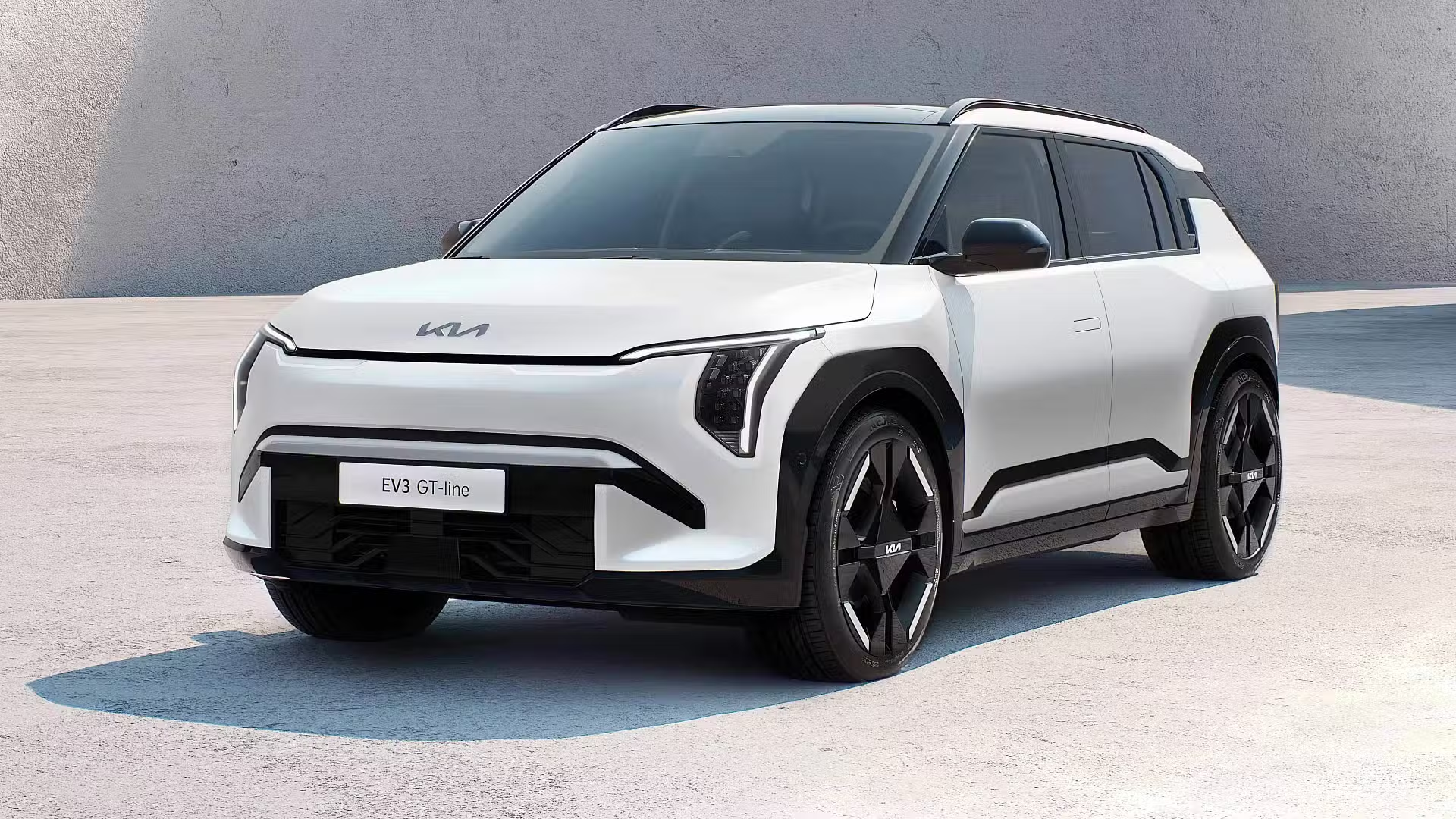
Kia EV3
Why EV sales are growing
Several key factors are driving EV adoption in Australia:
Lower running costs: Electric vehicles generally have fewer moving parts and lower maintenance costs than petrol cars.
Expanding charging infrastructure: Public charging networks continue to grow, making long-distance EV travel more practical.
Increasing model choices: More brands and vehicle types are entering the market, from small hatchbacks to family SUVs.
Environmental awareness: Many buyers are choosing EVs to reduce their carbon footprint and fuel consumption.
What to expect from the EV market
The Australian EV market is expected to become even more competitive over the next few years. New models from brands such as BYD, Hyundai, Kia, and MG are expected to challenge Tesla’s dominance.
As technology improves and prices become more accessible, electric vehicles are likely to play an increasingly important role in Australia’s automotive landscape.
Whether you’re planning your first EV, transitioning a fleet, or reviewing employee benefits, Prosperity Smart Drive can help you navigate current incentives and delivery timelines.